Art & Travel

Art & Travel

Milan in fragments: On texture, spectacle, and attention

Milan during Design Week felt like a city temporarily overtaken by design. Courtyards, galleries, apartments, museums, and even quiet side streets became filled with installations, exhibitions, conversations, and long lines of people moving quickly from one place to another. For five days, the city seemed to operate in a heightened state — overstimulated, crowded, visually saturated.
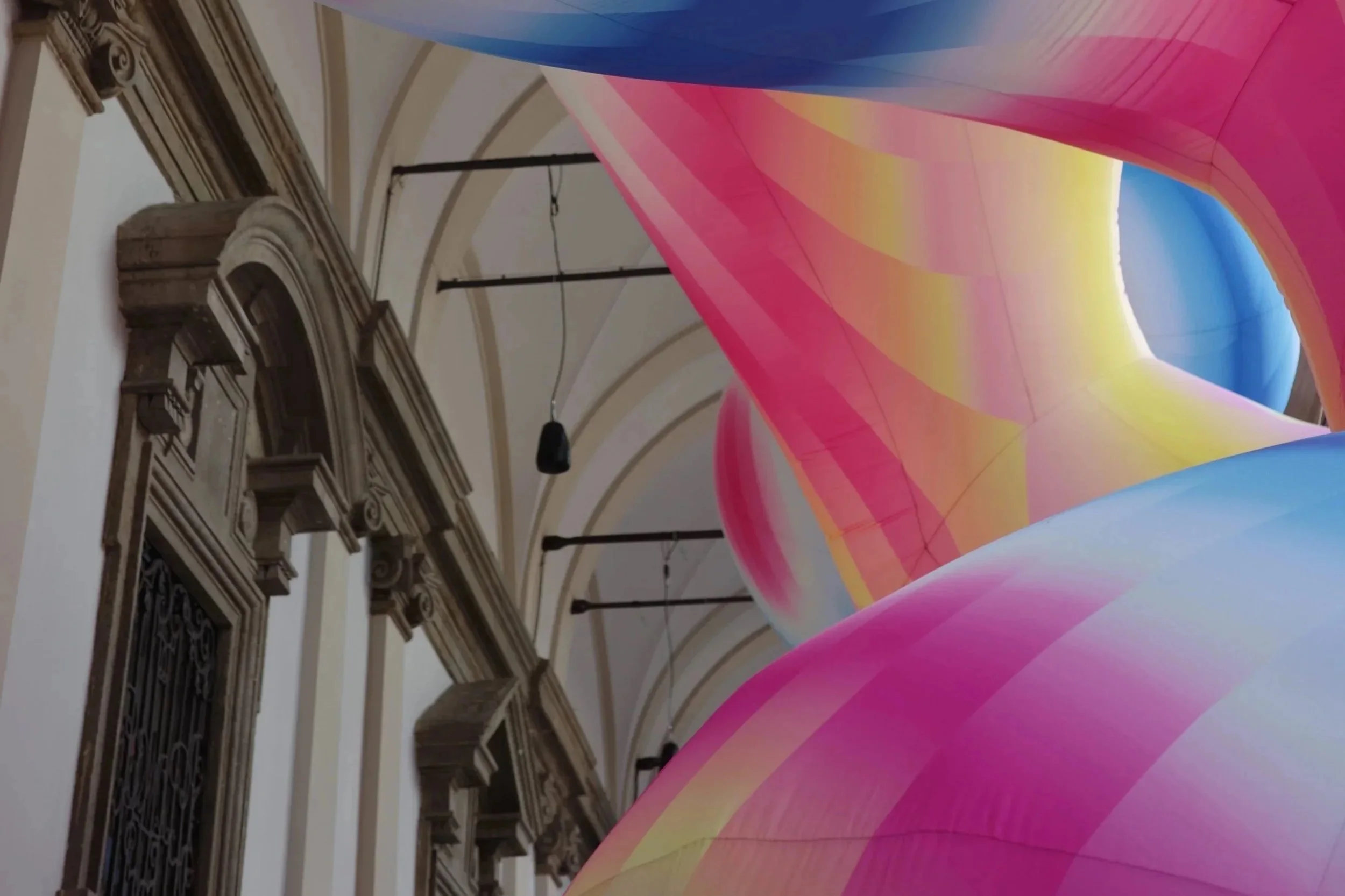
Serotonin, Loggiato Pinacoteca di Brera.

Serotonin, Loggiato Pinacoteca di Brera.

I arrived curious and excited, but by the second or third day, everything began blending together. I spent most days rushing between exhibitions and walking for hours across the city, moving from one atmosphere into another without much pause in between. At times it felt impossible to fully absorb what I was seeing. Colors, surfaces, lighting, sounds, and people layered over each other until the experience became less about individual works and more about the feeling of excess itself.
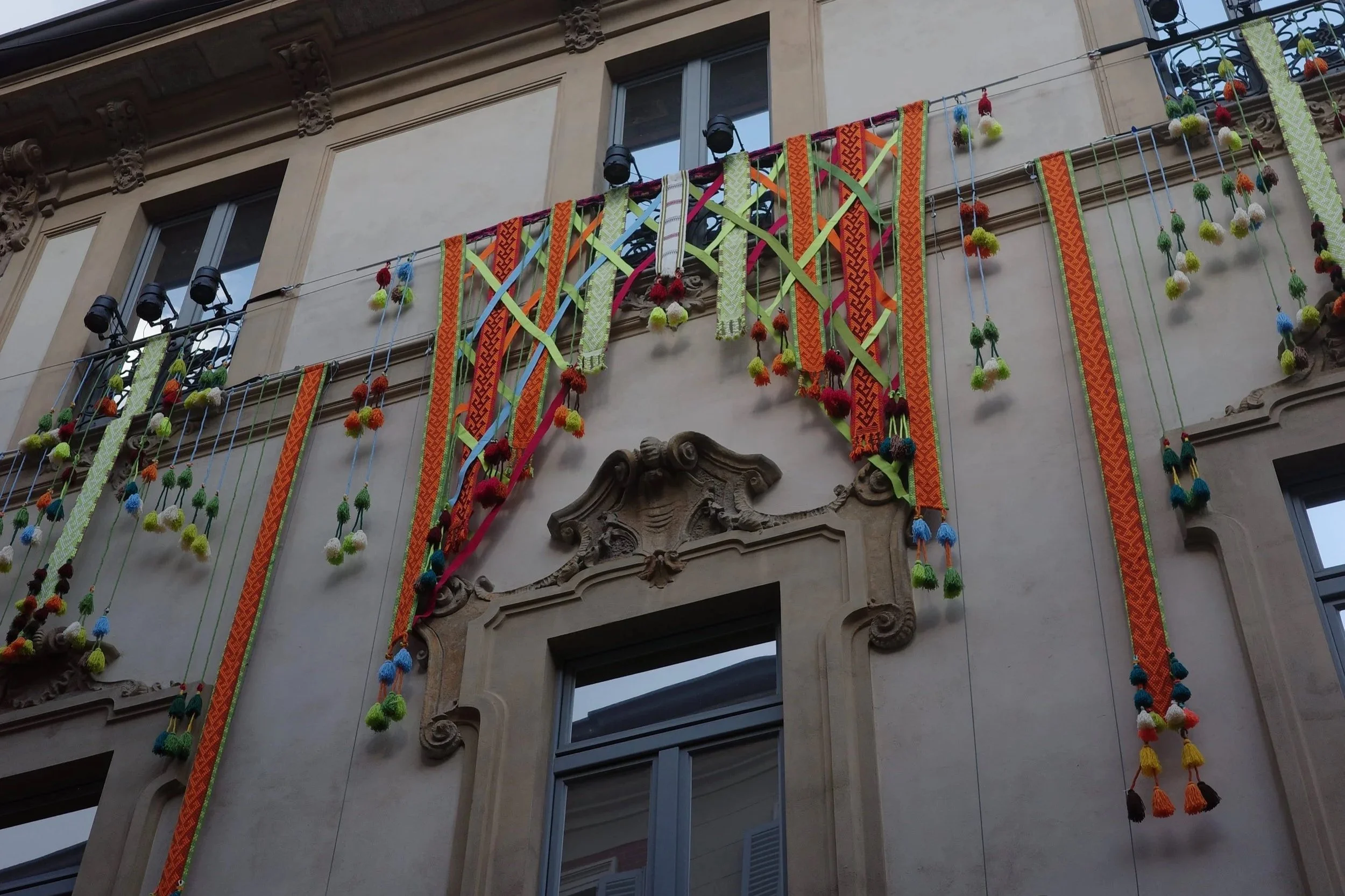
Entrance to Palazzo Citterio during Milan Design Week.

Entrance to Palazzo Citterio during Milan Design Week.

And yet, within all that noise, certain details kept pulling me back into attention.

At Alcova, I found myself lingering around tactile surfaces and material experiments more than the large gestures. Suspended textiles moving slightly with air, chrome reflecting distorted fragments of the surrounding space, soft woven textures placed against industrial structures — these smaller interactions stayed with me longer than many of the more dramatic installations.
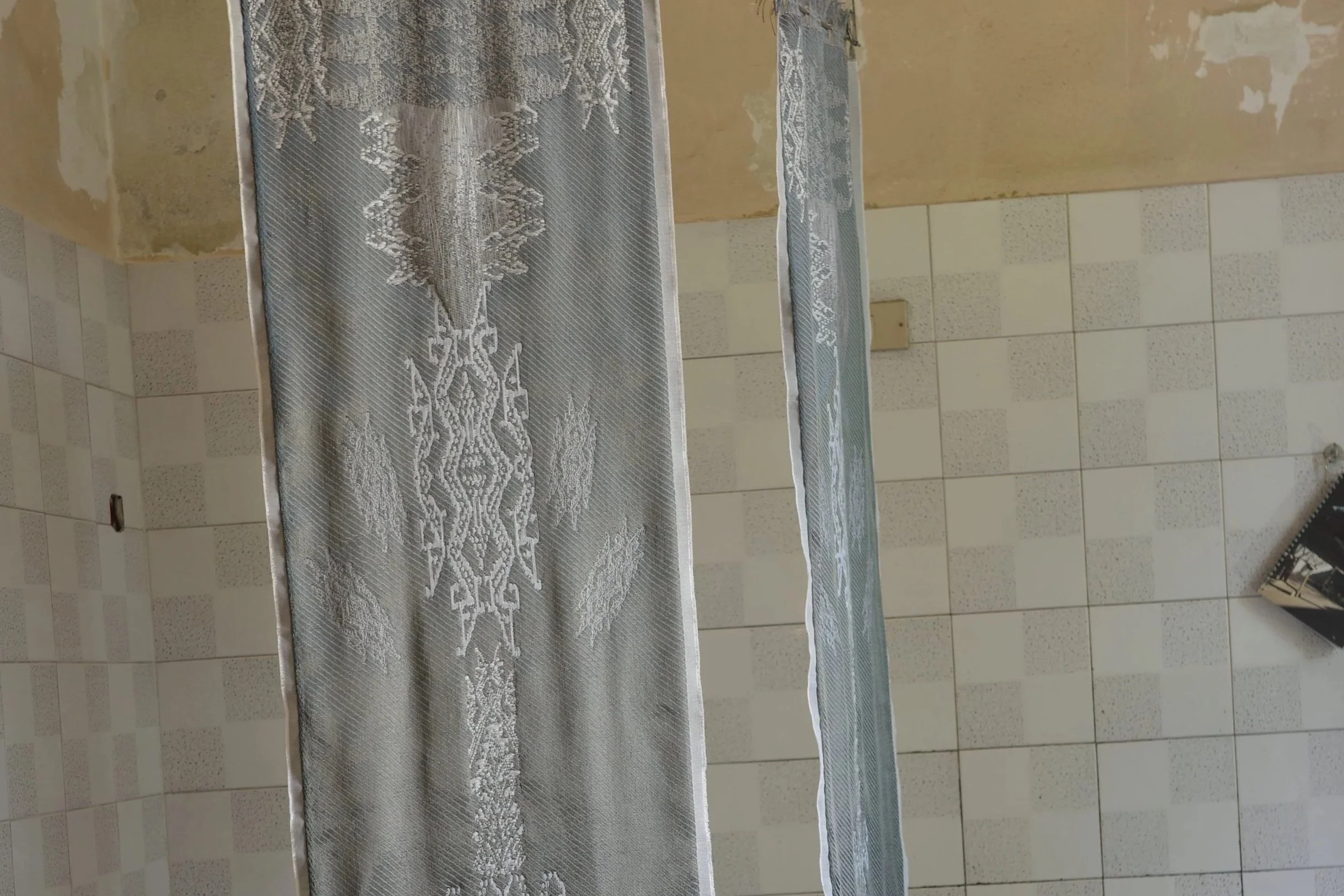
Baggio Military Hospital, Alcova Milan Design Week.

Baggio Military Hospital, Alcova Milan Design Week.

I noticed how often my attention returned to craftsmanship. Not craftsmanship in a nostalgic sense, but in the way care could still be felt inside contemporary work: through material sensitivity, subtle textures, hand-finished edges, or the quiet confidence of restraint. Some spaces held this beautifully. Others felt designed mostly to capture attention quickly — visually loud, immediate, and highly photographed, but leaving little behind once I walked away.

That contrast stayed with me throughout the week.
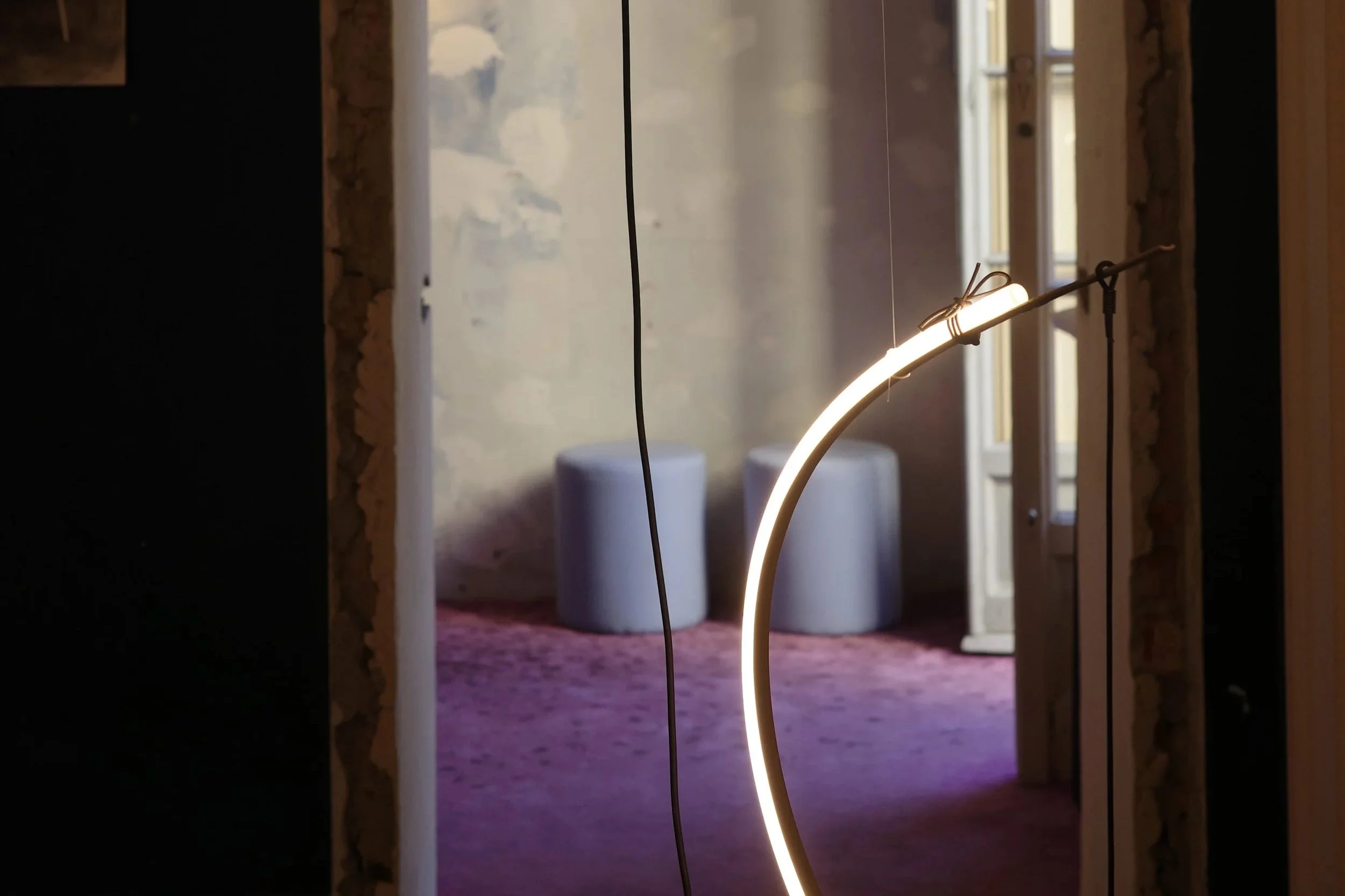
Qualia of Things, 5VIE Milan Design Week.

Qualia of Things, 5VIE Milan Design Week.

At L'Appartamento by Artemest, the atmosphere shifted again — not quieter, but denser. Every room felt layered with textures, patterns, objects, lighting, and people moving closely through the space. At times it was almost overwhelming, yet I was impressed by how much attention had been placed into the details. Despite the richness of the interiors, certain material combinations still stood out clearly: woven textiles against polished surfaces, soft fabric catching warm light, carefully balanced contrasts between colors and textures.
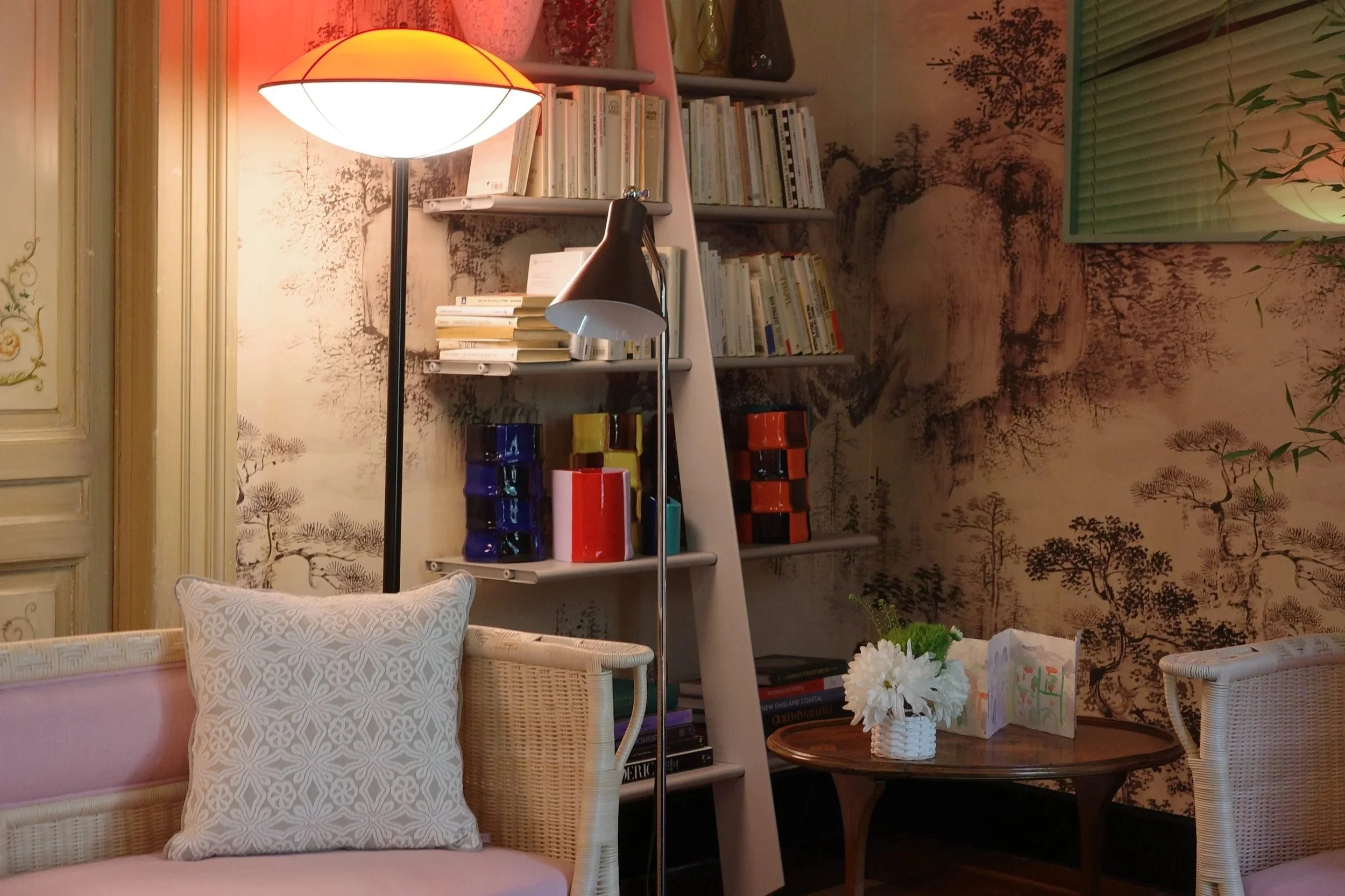
L'Appartamento by Artemest.

L'Appartamento by Artemest.

Throughout the week, I kept thinking about the space between art, design, craftsmanship, and branding — how these boundaries blur so easily now. Some works felt deeply personal and intentional; others felt more like images waiting to be consumed and uploaded elsewhere. Seeing everything coexist at once left me both inspired and uncertain. I came home carrying more questions than conclusions.
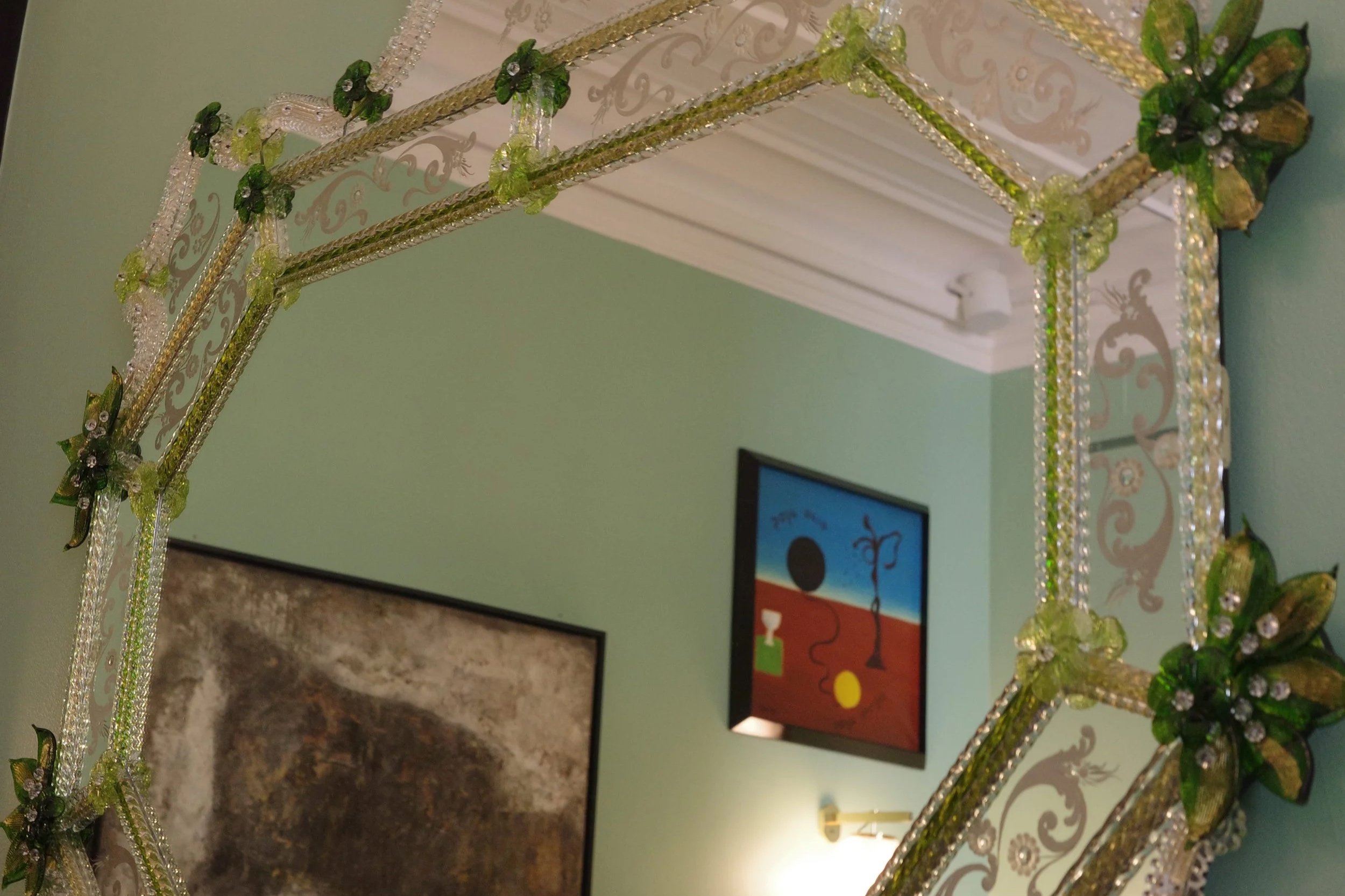
Work detail at L'Appartamento by Artemest.

Work detail at L'Appartamento by Artemest.

After Design Week ended, the city changed almost immediately. The crowds thinned, the long queues disappeared, and Milan seemed to return to itself again. I spent the remaining days more slowly — visiting museums and galleries, sitting outside cafés with coffee and croissants, watching trams pass and people move through the streets.

I especially loved the quietness of the museums after the intensity of Design Week. Moving slowly through the spaces, I found myself paying attention differently again — noticing textures, details, brushstrokes, materials, and the way light settled across surfaces without feeling rushed. After spending days surrounded by constant stimulation, those quieter encounters felt grounding.
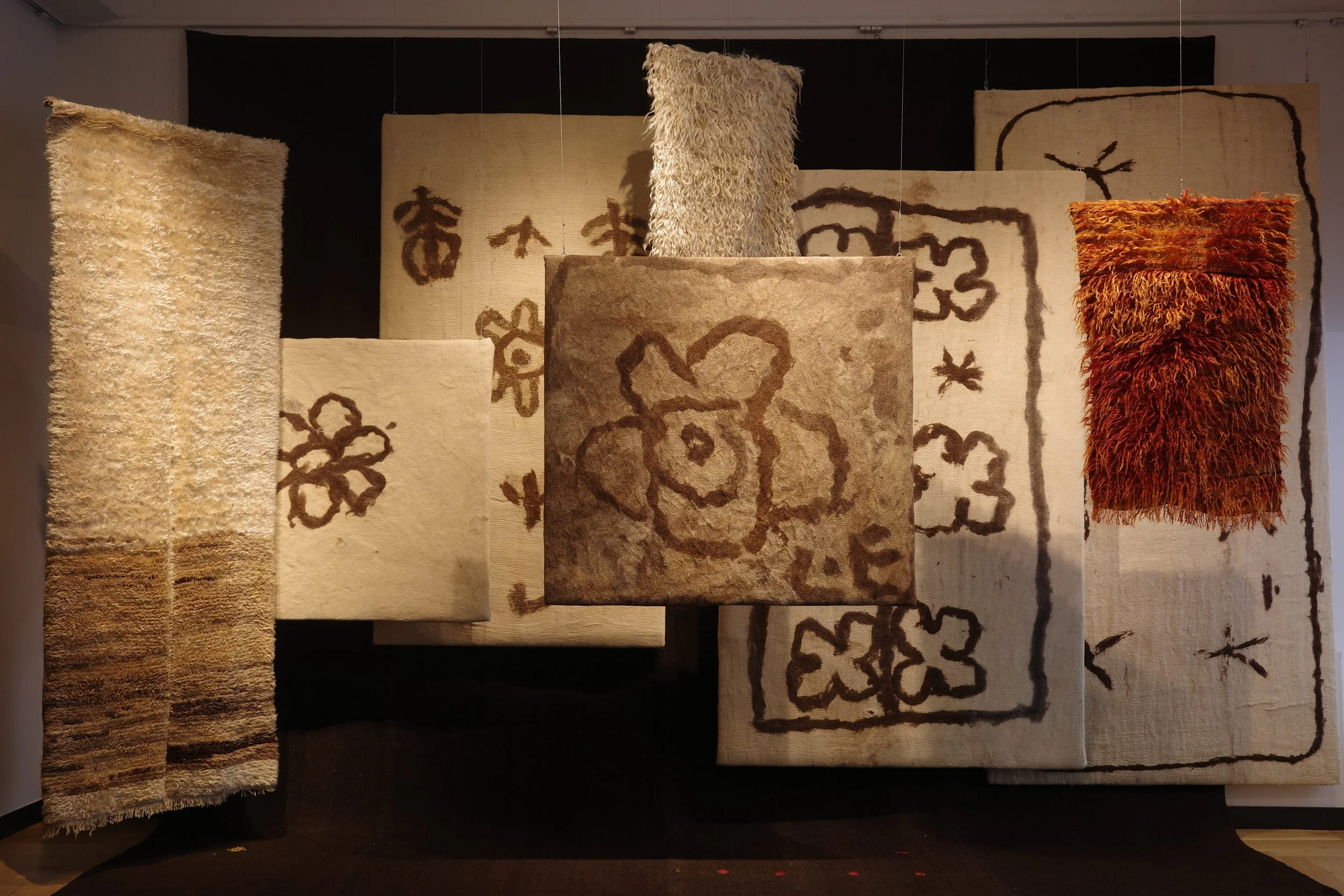
Undead Undyed, Altai Gallery.

Undead Undyed, Altai Gallery.

Looking back now, what remains are not complete impressions, but fragments. Certain textures. A room filled with soft light. The sound of footsteps echoing through a courtyard. Fabric suspended in space. The exhaustion of seeing too much too quickly. The strange feeling of being simultaneously inspired, disconnected, energized, and uncertain.

But perhaps that uncertainty is part of the experience too. Milan didn’t leave me with a clearer definition of what art or design should be. Instead, it sharpened my awareness of attention — of what feels sincere, what lingers emotionally, and what quietly disappears.

As someone working through textiles and material-based practice, I left thinking less about trends or aesthetics, and more about how work carries care, memory, and perspective. How material can hold emotion. And how, even in the middle of visual overload, the smallest details are often the ones that continue speaking afterward.
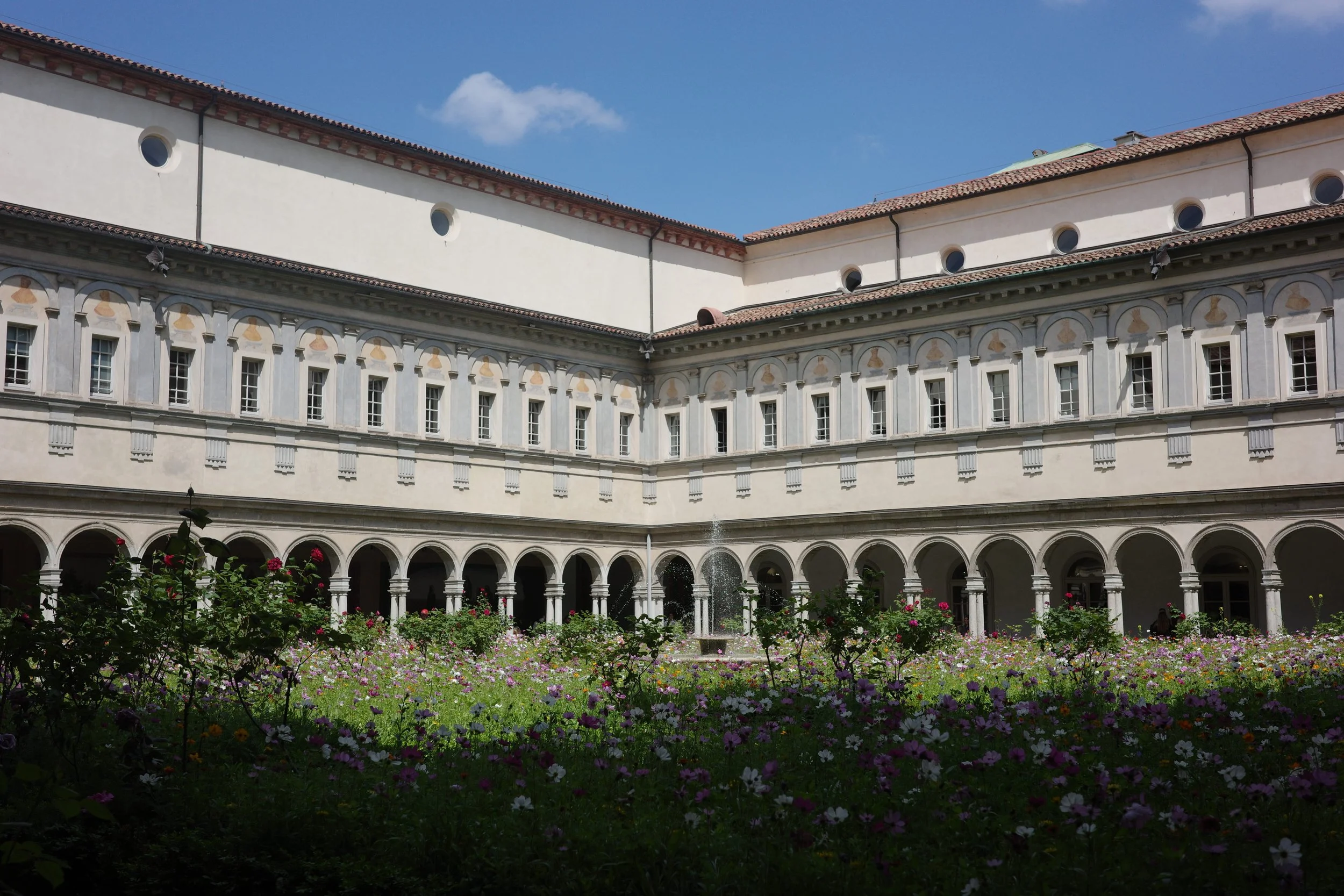
Gucci Memoria, Chiostri di San Simpliciano.

Gucci Memoria, Chiostri di San Simpliciano.

Art & Travel

Traces of Stillness: Art and Nature in Setouchi

A reflection on listening back to the landscape – Naoshima, Teshima, Inujima & Ogijima.

There’s something quietly radical about leaving the rush behind—about stepping into a space where art, nature, and architecture don’t compete, but lean gently into each other like long-time friends in a familiar silence.

View from above the hill of Naoshima

There are places where art doesn’t simply occupy space—it listens to it. Where architecture steps aside, and the landscape speaks. In Setouchi, art is not imposed upon the land, but shaped with it. It emerges from the slope of a hill, rests lightly within a forest, drifts through the light that shifts hour by hour. It invites us to slow down, to pay attention with the whole body.

View from the Vally Museum

The museums here are not declarations, but meditations. In places like the Chichu Art Museum on Naoshima—built mostly underground to preserve the landscape—light filters in carefully, not to illuminate, but to invite. Despite its subterranean design, the sun moves through its spaces in quiet rhythms, transforming both the artworks and the air around them. Time moves differently in these rooms. Shadows lengthen, colors change, silence holds weight. Art lives not as display, but as condition. As weather. Standing before a single piece, one becomes aware of breath, of posture, of the shifting softness of the light. Art lives not as display, but as condition. As weather.

Interior of the Chichu Art Museum

Some works record time directly—the slow passage of light across a concrete wall, the accumulation of water in a quiet dome like at the Teshima Art Museum, the lingering sound of a human heartbeat preserved in Les Archives du Cœur. Others are simply porous: to air, to wind, to temperature. They let the outside in. They remind the viewer that to witness is also to change what is witnessed. I found myself slowing down without realizing it, becoming more attuned to subtle changes—the faint shift in air pressure before a breeze, the muffled echo of a footstep on stone.

Exterior of the Teshima Art Museum

Architecture, too, follows this rhythm. Forms echo the local topography. Surfaces are left raw, open to rain and salt. In the Art House Project in Inujima, empty houses are quietly transformed into artworks that remember their former lives. In these buildings, one often finds thresholds rather than walls—spaces that are neither fully interior nor fully exposed. The boundary between natural and constructed dissolves. One senses not an interruption of the environment, but an invitation to dwell within it.

Art House Project in Inujima

There is something deeply human in these gestures. The spaces are small, tactile, scaled to the body. They do not shout. They ask for closeness, for listening. The Ogijima Library, lovingly renovated by islanders themselves, felt like a distillation of this spirit. A place where books seemed to arrive still in motion, where silence and life coexisted. Looking through the wooden shelves toward the sea, I felt as though time itself had taken a breath.

Interior of the Ogijima Library

Throughout the islands, artworks are not housed—they are embedded. Some are held within old homes, like those in Naoshima’s and Inujima’s Art House Projects, transformed without being erased. Others sit among stones, trees, waves. They do not attempt permanence. Instead, they shift gently within the living environment, tuned to the sound of rustling leaves or a hawk circling overhead.

Sculptures of the Lee Ufan Museum

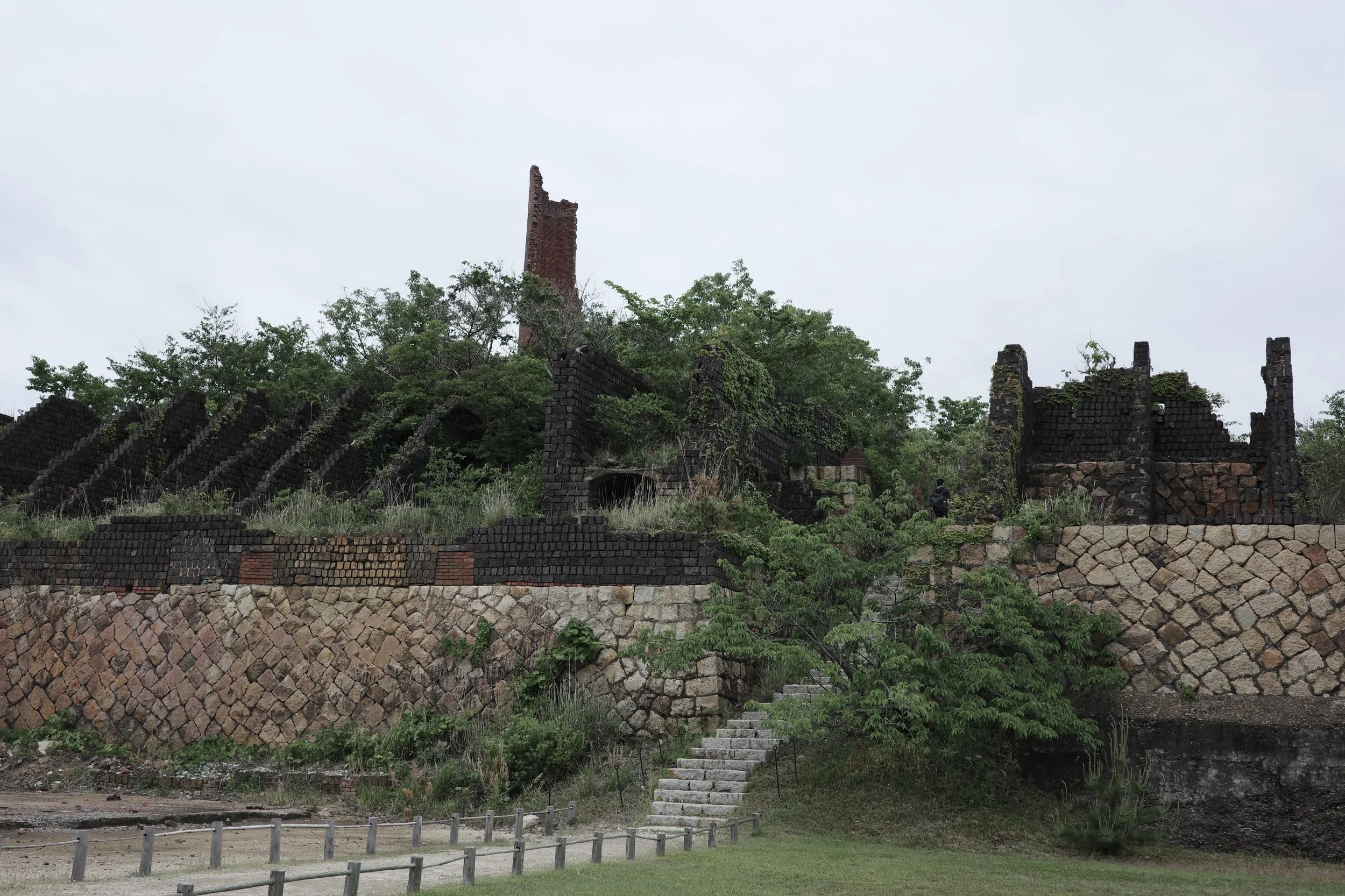
Or like another story, the Inujima Seirensho Art Museum quietly transforms a former industrial site into a space where nature leads. Its architecture grows out of the land itself, shaped by the island’s geology and past, and powered in part by natural energy—a reminder that even in built environments, nature can remain central. Here, art, architecture, and ecology converge, offering a vision of creation that listens rather than imposes.

Partial view of the Inujima Seirensho Art Museum

Even beyond the art, life on these islands carries a different tempo. People move with intention, without rush. Gardens are tended. Meals are prepared quietly. The rhythm of the day seems to follow not the clock, but the light. It reminded me of something I had forgotten: that time doesn’t need to be managed—it can be lived.

View from above the hill of Ogijima

This is perhaps what resonated most. Not just the beauty of the artworks or the elegance of their setting, but the underlying belief that art and life are not separate. That attention is a form of care. That to live slowly is not to retreat, but to return. To inhabit the present more fully, more tenderly.

Artwork Ogijima Pavilion in an old house

As an artist, this landscape gently questions the impulse to create as assertion. It asks instead: how to respond? How to observe deeply enough that the work emerges not in contrast to the world, but in harmony with it? These questions are not theoretical here. They are embodied, enacted, daily. And they will travel home with me.

Seashore of Naoshima