I arrived in Berlin at the beginning of last month (September 2026) for an artist residency at SomoS, with a small project in mind, a few materials, and the curiosity to see where they might lead.
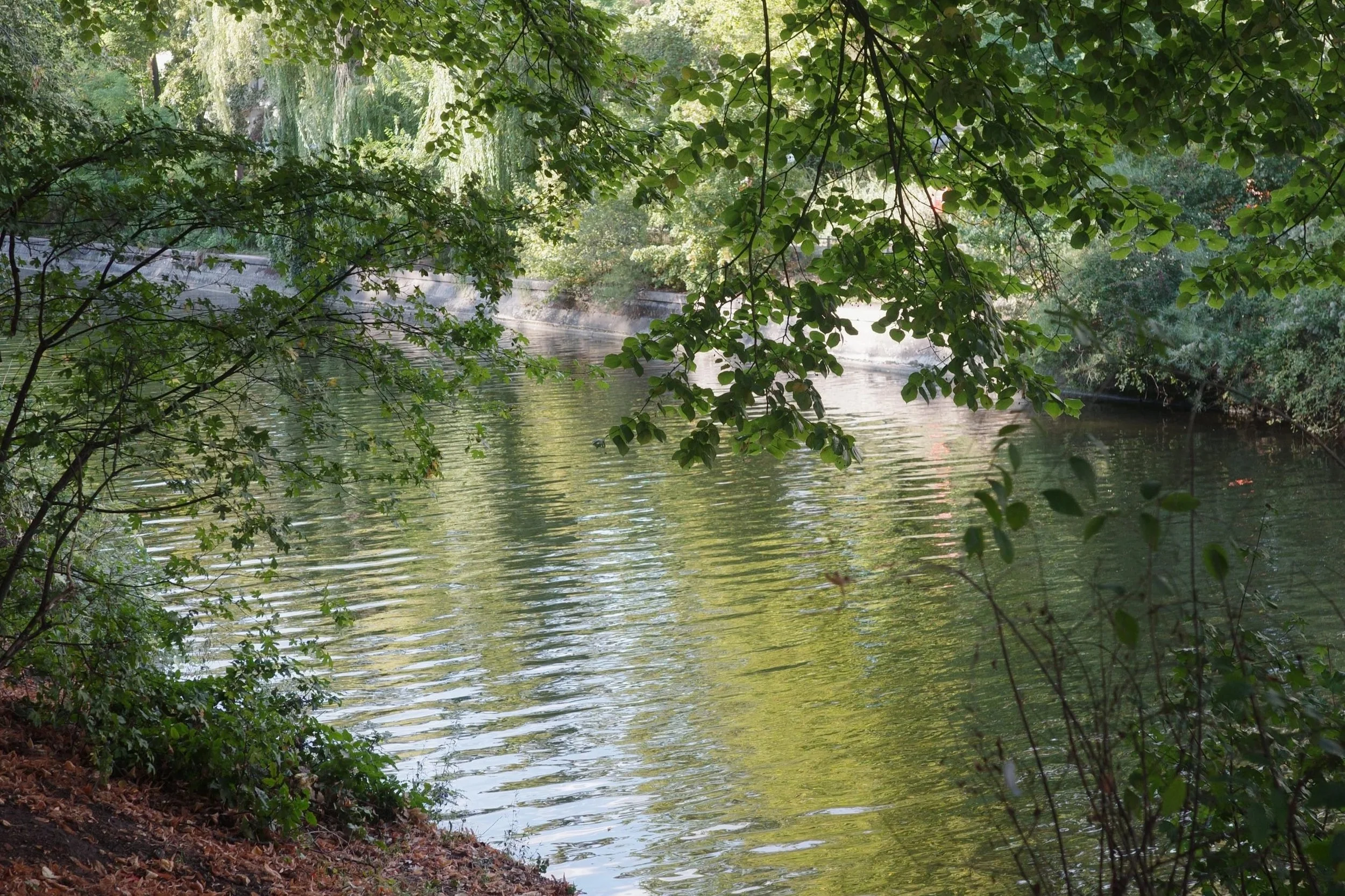
The Landwehr Canal in the morning
During the first few days, I spent a lot of time simply walking around the neighborhood, finding cafés to sit in, and slowly getting a feeling for the area around. There was a canal nearby, and on Tuesdays, Fridays, and Saturdays, there was a market along the canal, with vegetables and bread alongside fabrics and other little things. I liked this mixture of food and everyday life sitting alongside each other.
In the evening, people would sit by the bridge on the ground reading, talking, or just hanging out. I remember thinking that this was probably one of the first moments when I started to feel like I wasn't just visiting Berlin anymore, but actually living there for a little while.
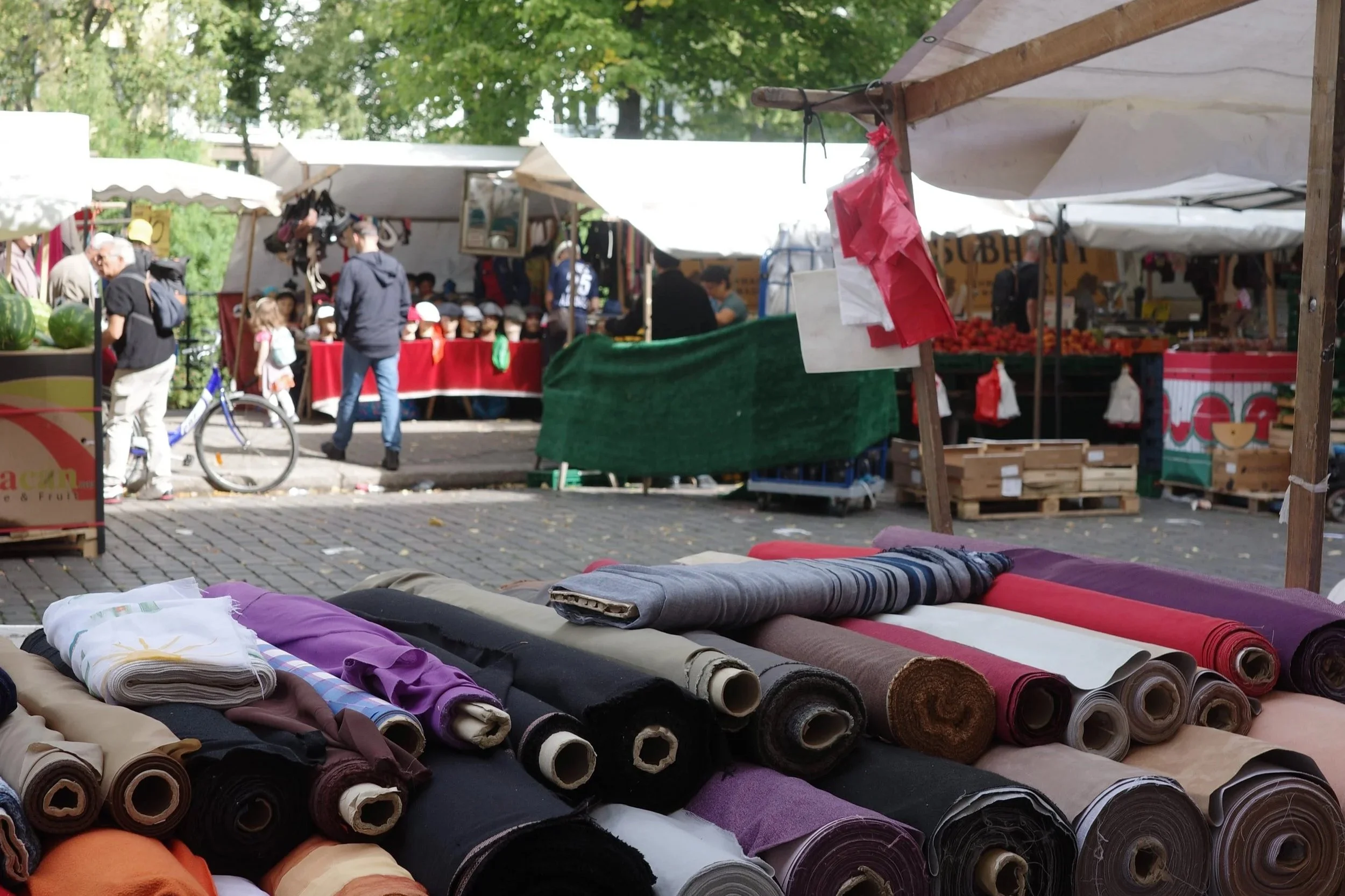
The Tuesday market by the canal
The city seemed to offer something new at every turn. During Berlin Art Week, exhibitions, performances, and open studios filled the days, leading from one place to another.
Some works invited a closer look at how they were made: the meeting of different materials, the rhythm of a surface, the details that might otherwise go unnoticed. Others stayed in mind because of the way an idea moved between different media, or the way painting, textile, music, and architecture could come together to change the experience of a space.
Not every encounter needed to become a clear reference or an immediate source of inspiration. Gradually, looking began to feel less like gathering information and more like a way of opening up possibilities.
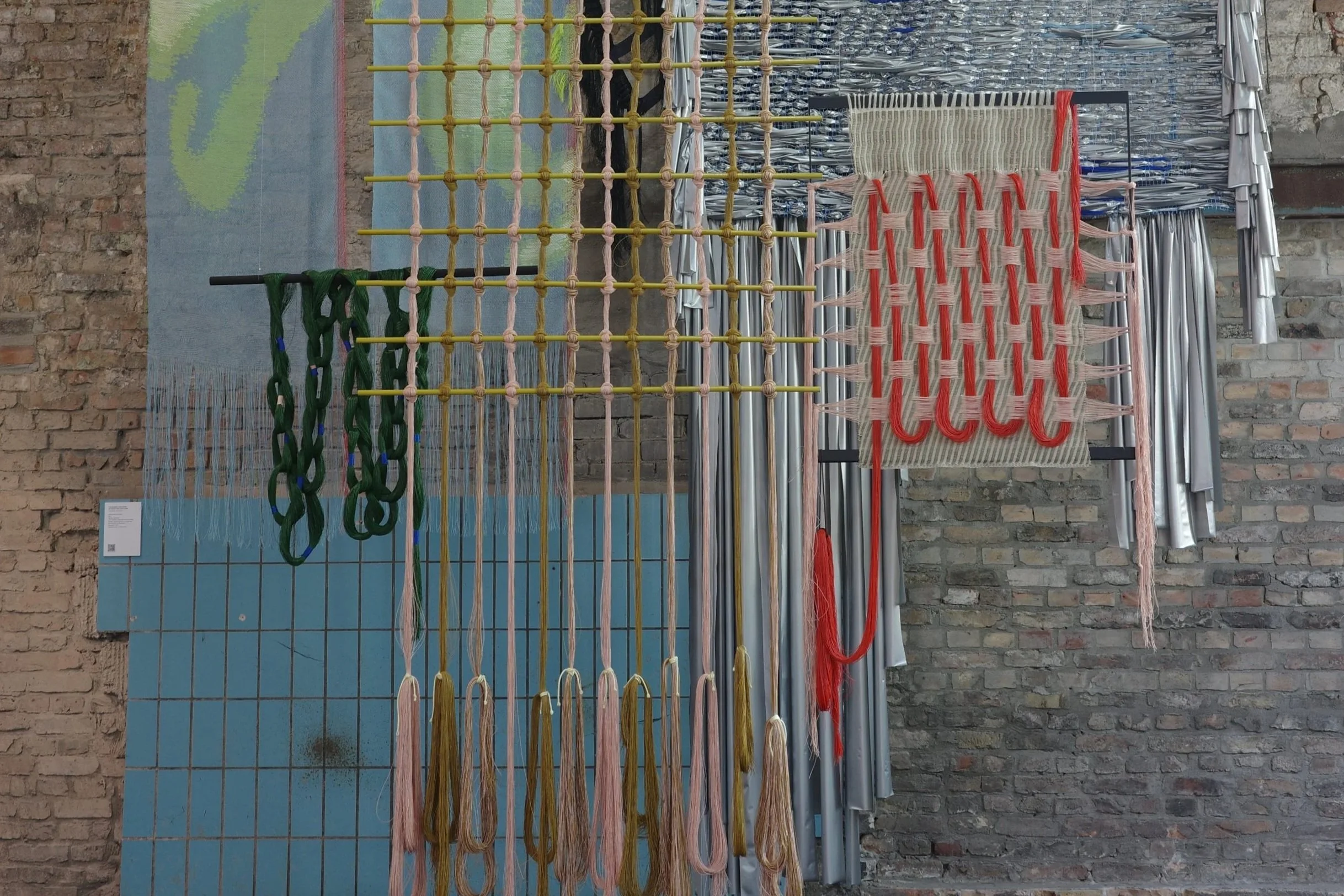
Work at Hallen 07 by Kunstfestivl during Berlin Art Week
Visiting artists’ studios brought a different kind of closeness. Beyond the finished works, there were materials waiting to be used, experiments still in progress, and fragments that had yet to find their place. Each practice seemed to have its own rhythm and logic. Some artists worked through careful planning; others allowed the work to change as they went along.
Conversations with artists added another layer to these encounters. Talking about process, material choices, and the thoughts behind a piece offered glimpses into ways of working that could not always be understood through the finished work alone. There were also conversations about the space between art, craft, and design, and the many different forms an artistic practice could take.
What stayed was not necessarily a particular piece of advice, but the feeling that there was no single way to approach the work. These thoughts seemed quite small at the time, but after returning home, some have slowly begun to connect with questions already taking shape in my own practice.
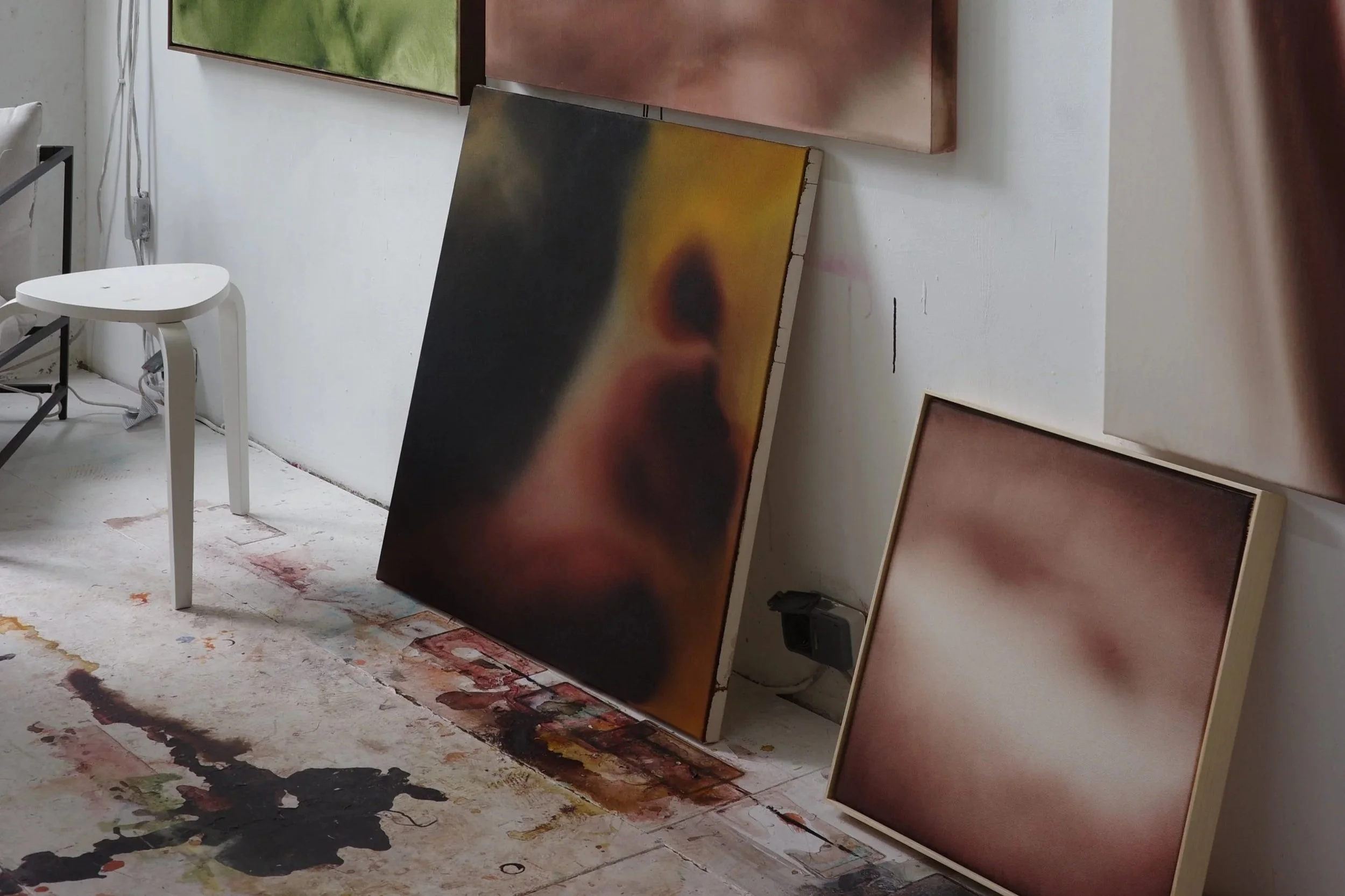
Open studios in the Wedding area
Meanwhile, my own work was taking shape slowly.
The starting point was a question about how a textile object is read. What began as a comparison between a flat textile and a form referencing the body gradually developed into three areas of exploration — Form, Material, and Context — with form becoming the focus for this month.
The first pieces were kept relatively simple, with the material and construction remaining consistent while different possibilities of shape were considered. Yet even these early experiments began to shift the original questions. Seeing the pieces on the wall made their scale feel different from how they had been imagined. Forms that initially referred to the body also made room for other possibilities.
The question began to extend and became a way of thinking, about how we recognize and interpret textile objects, and how much of that understanding comes from the visual information in front of us.
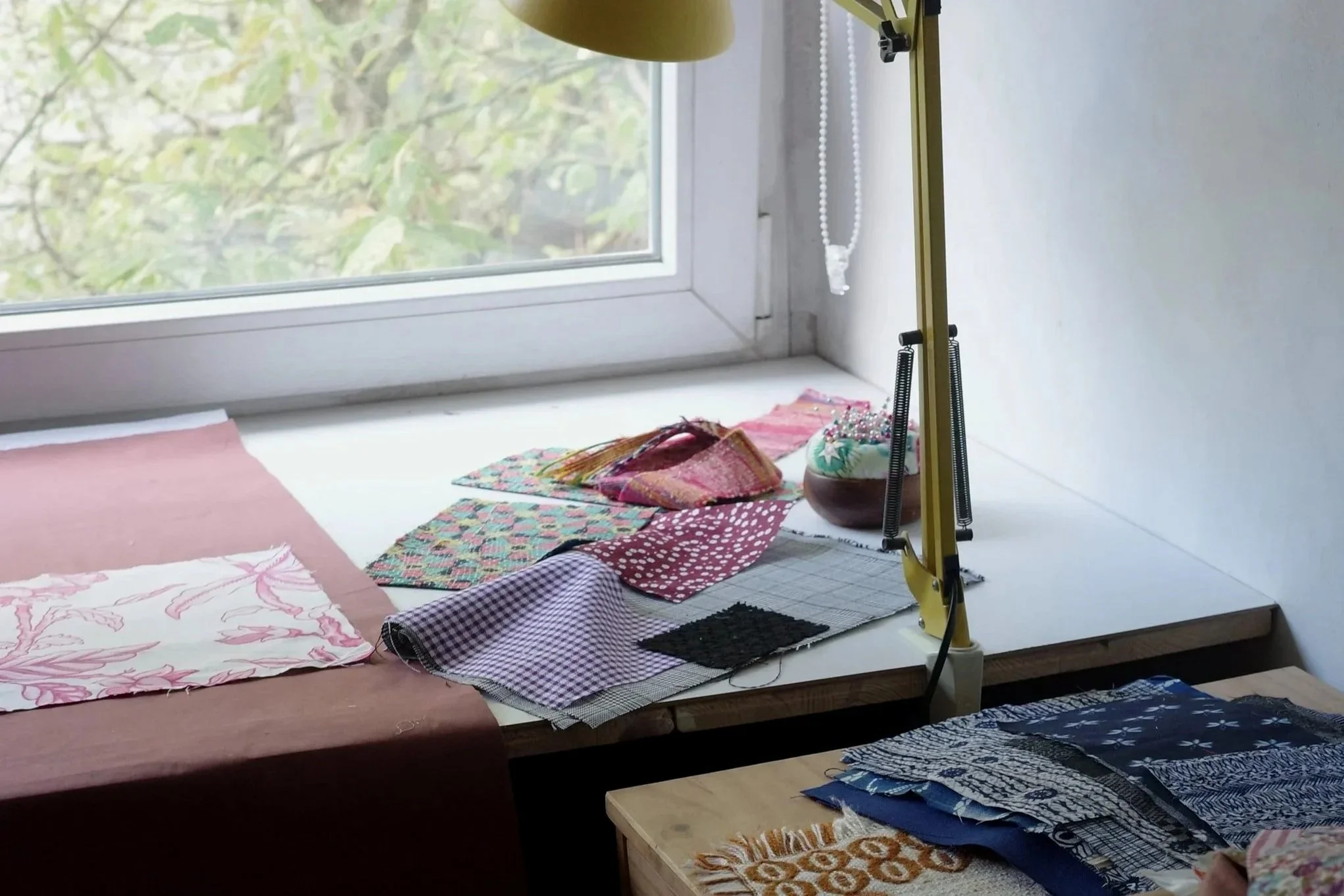
Work in progress in the studio
Much of the month was spent looking at other people’s work, following ideas across the city, and having conversations that opened up new ways of thinking. There was less time at the worktable than planned, but the time away from it became part of the process too. Looking, making, and thinking kept returning to one another, sometimes in ways that only became clear afterwards.
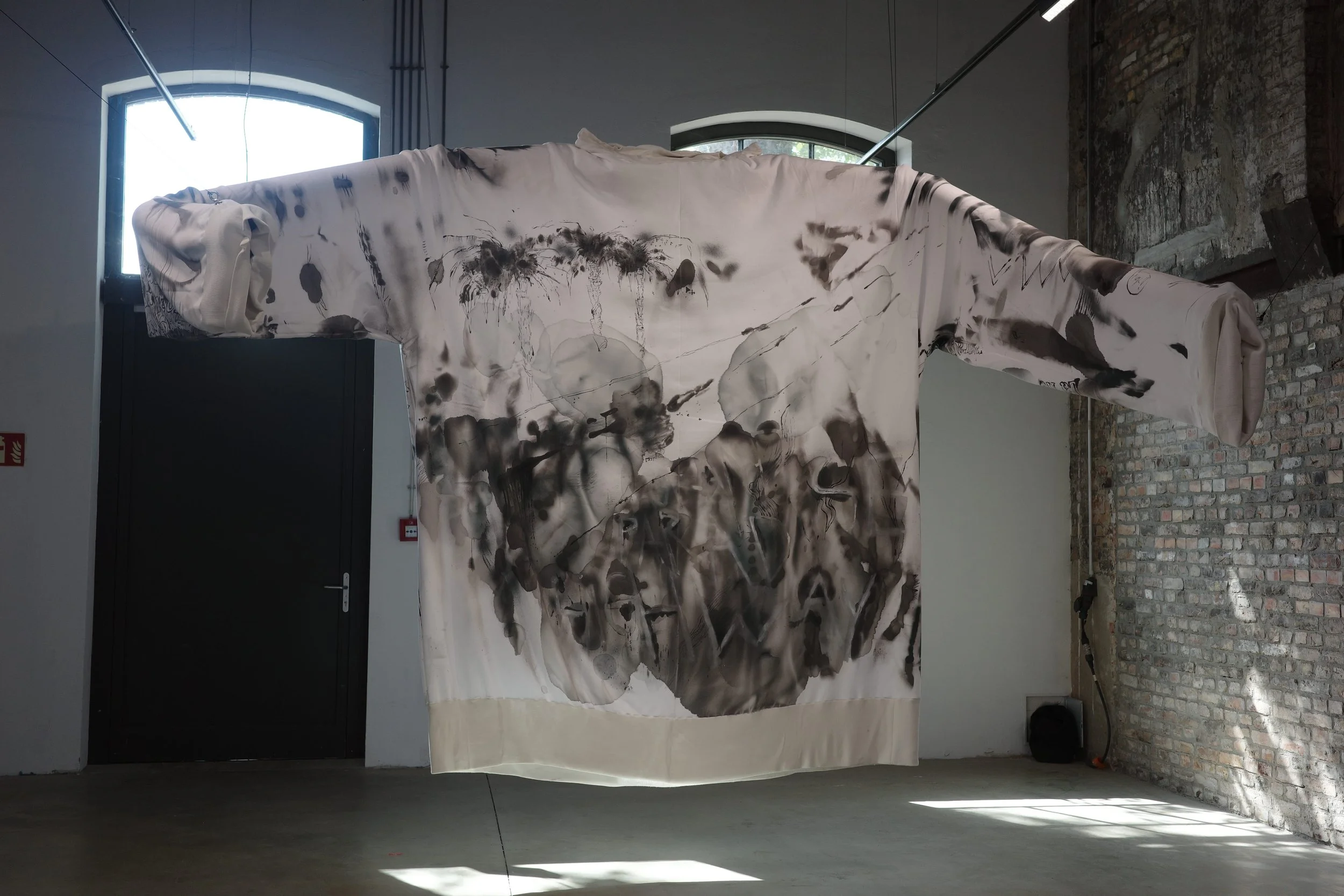
Work at Hallen 07 by Kunstfestivl during Berlin Art Week
Leaving Berlin felt a little premature. A month was enough to begin finding a rhythm, but not quite enough to follow every thought that had surfaced along the way. The work is still at the beginning, with more shapes to try, more materials to explore, and questions that may change again once the next experiments begin.
For now, there is something comforting about not knowing exactly where the project will lead. The month left me with a collection of impressions, small details, and possibilities that have yet to settle into place. Back home, there is time to return to the pieces, look at them again, and see what might emerge next.
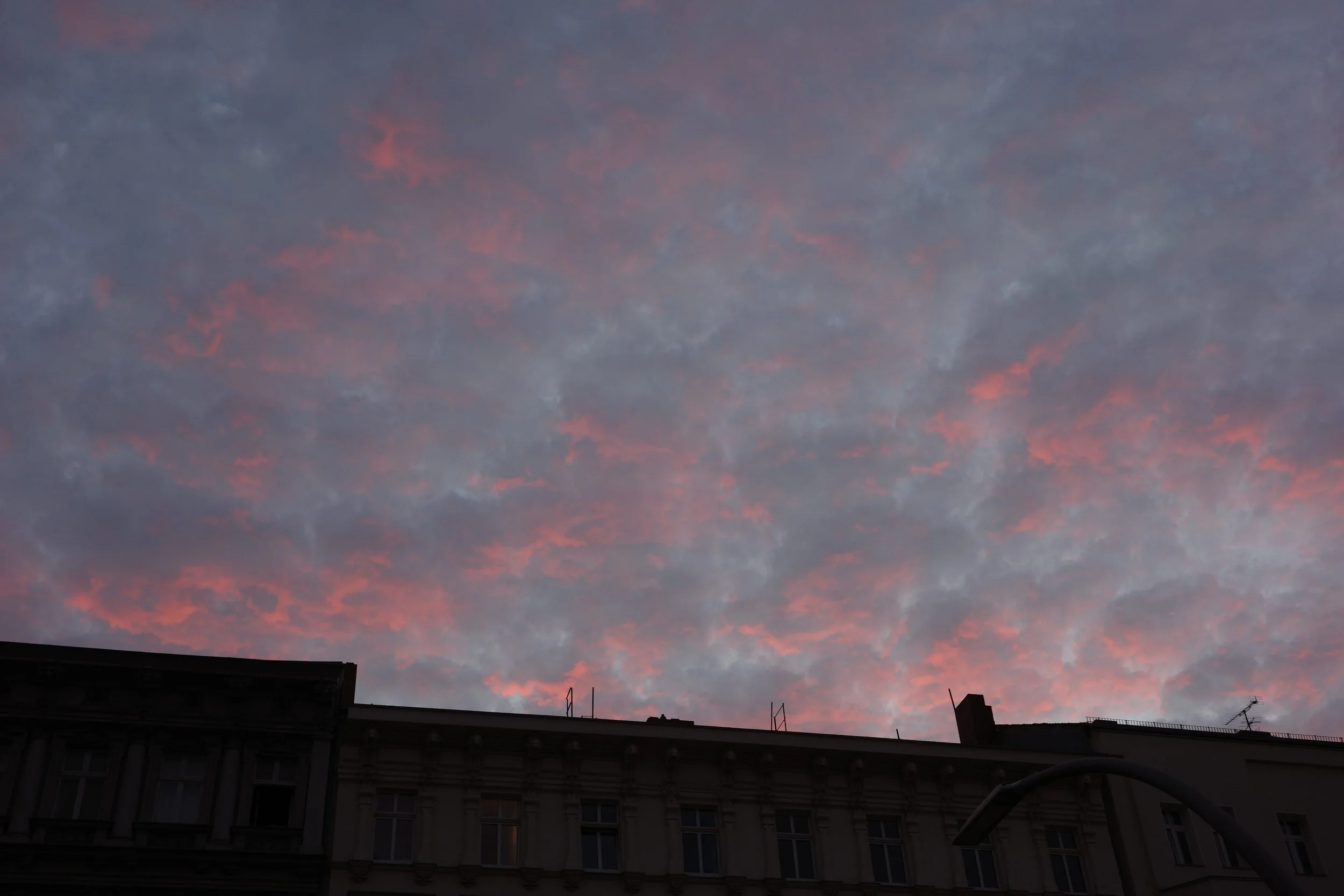
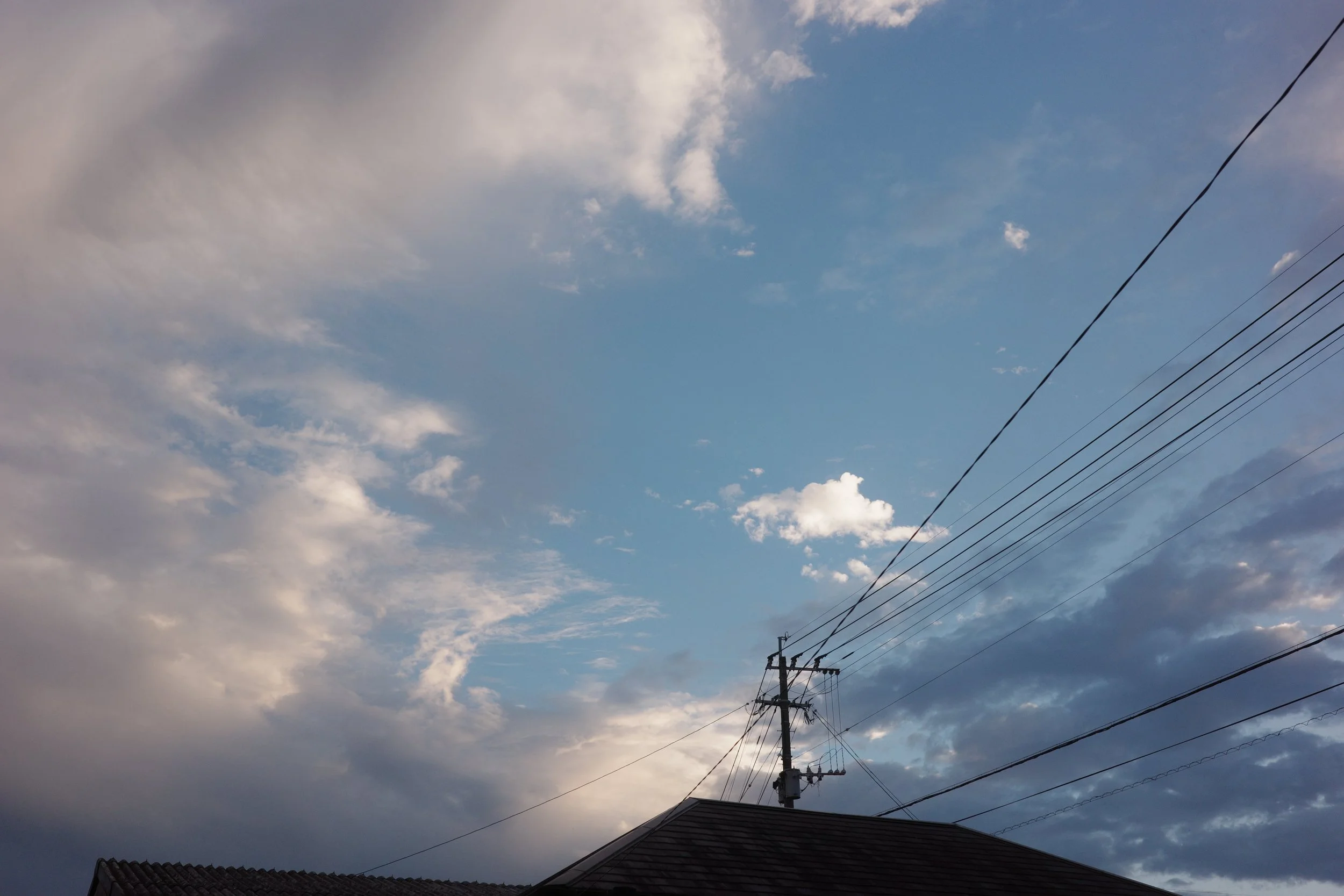
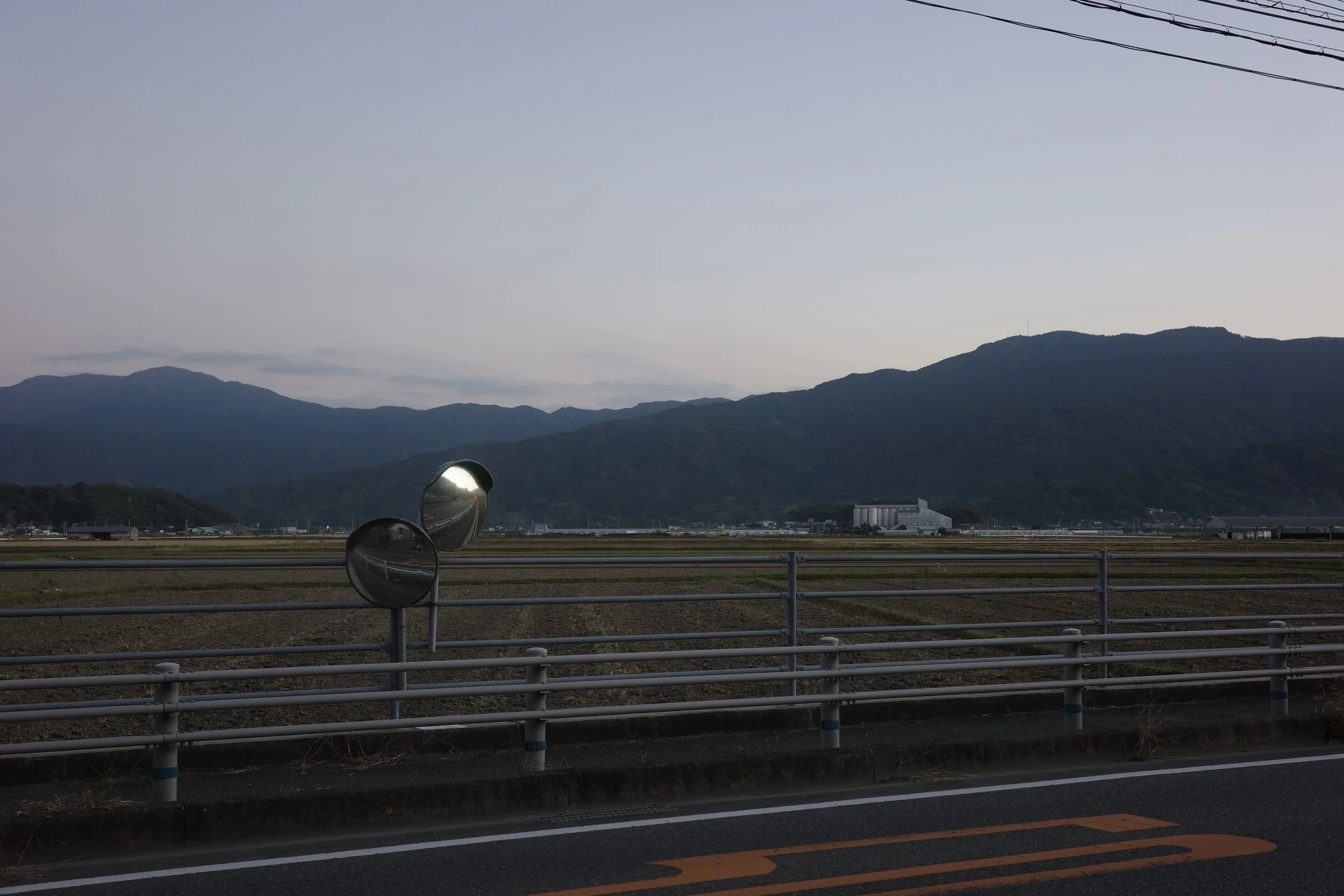
Evening sky view from the studio